Design & Develop
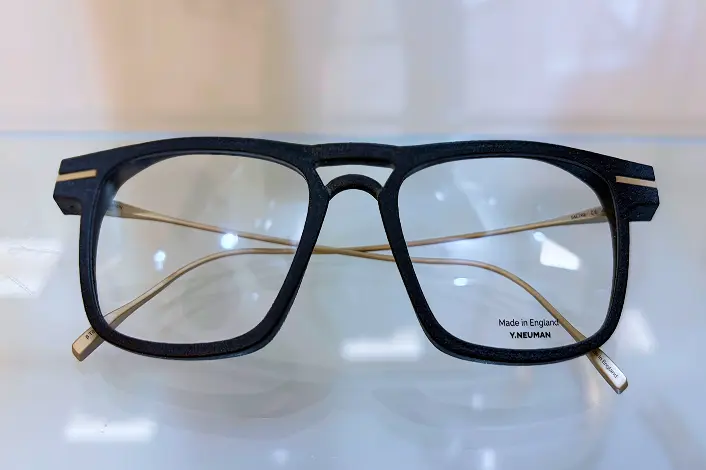
We work alongside your design and development team to help you understand the capabilities and limitations of 3D printing as a manufacturing process for your business, and your component requirements.
Leverage our in-house engineering expertise to design the optimal component, and benefit from prototypes on fast lead times as you iterate and perfect parts ready for production.
Pre-Production
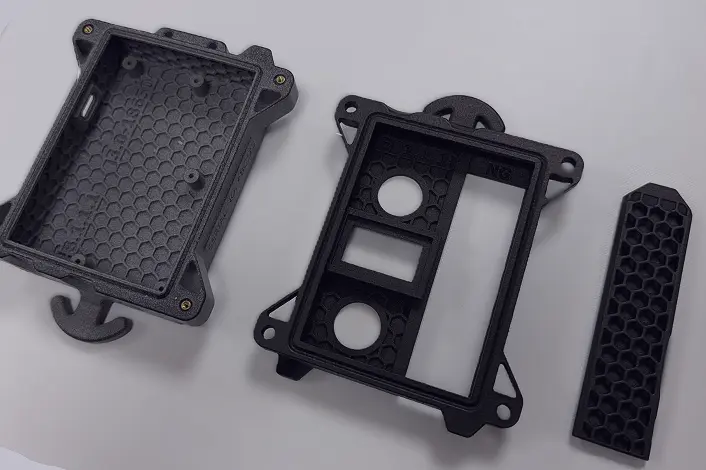
Knowing that a component is theoretically printable does not make it the optimal final design.
In the pre-production phase, we work with you to select the correct finish, arrange testing and performance verification, and run initial small batches to ensure repeatability of your chosen geometry. Thanks to our engineering services, we are able to provide practical feedback on designs to ensure you understand the manufacturability of your concepts. We also consider the viability of post processing and component transportation.
Quality Control
With 3D printing as your manufacturing method, almost every product or component can be unique.
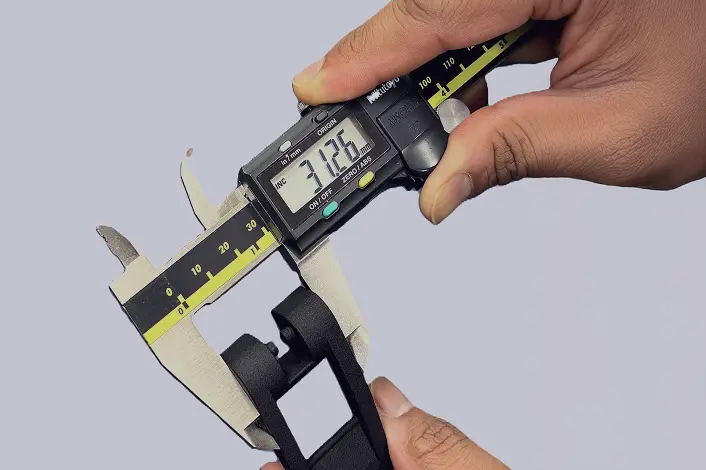
Establishing how to ensure consistent quality across all parts is a service that differentiates Bowman 3D from other service providers. Using our on-site quality testing facility, we will work with you to establish bespoke inspection standards and methods that meet the specific requirements of your product.
Production
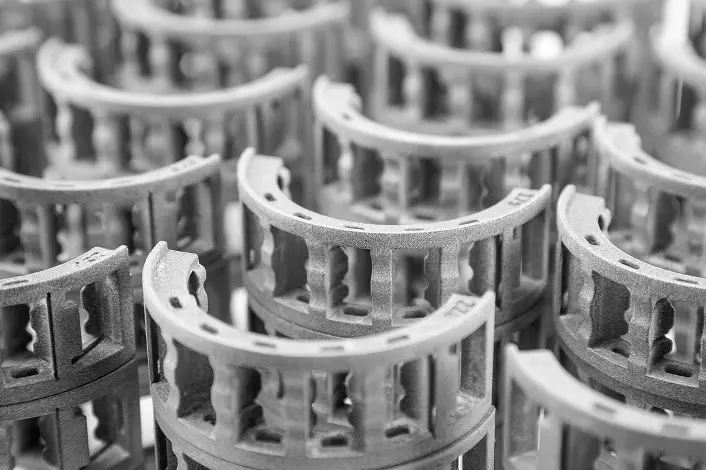
Now your component design has been optimised, tested, and verified against rigorous specification and quality control procedures, production can begin.
Simply book a print run whenever stock is low, for a quantity that meets current customer demand. Runs can be as regular as needed, with short lead times to keep your business moving, without the large capital investment of bulk orders, or the need for expensive warehousing.
Each run will meet the exacting standards documented for your part, and your run sizes can be scaled up as you grow.
After-Market and Spares
You now have your product on the market and a digital warehouse of components that can be printed on demand, whether to serve new markets or to provide spare parts to existing customers.
The products in your digital warehouse can be iterated, and new ones can be added to suit the needs of your business, giving you the agility to move with market trends and react to changes in customer demand.