The Technology

WHAT IS MULTI-JET FUSION?

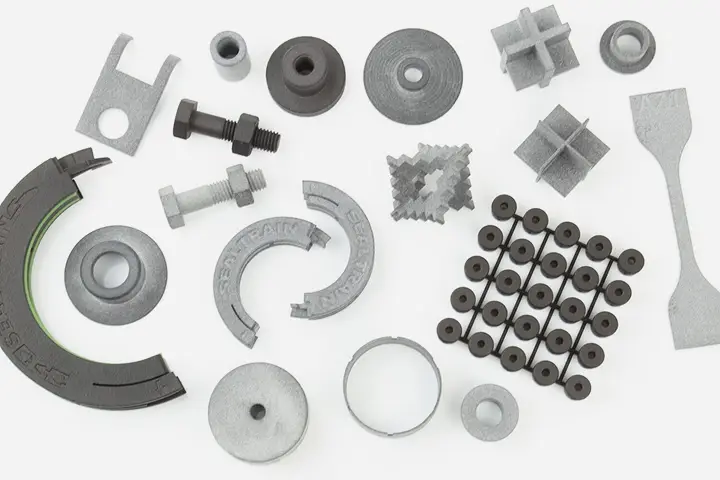
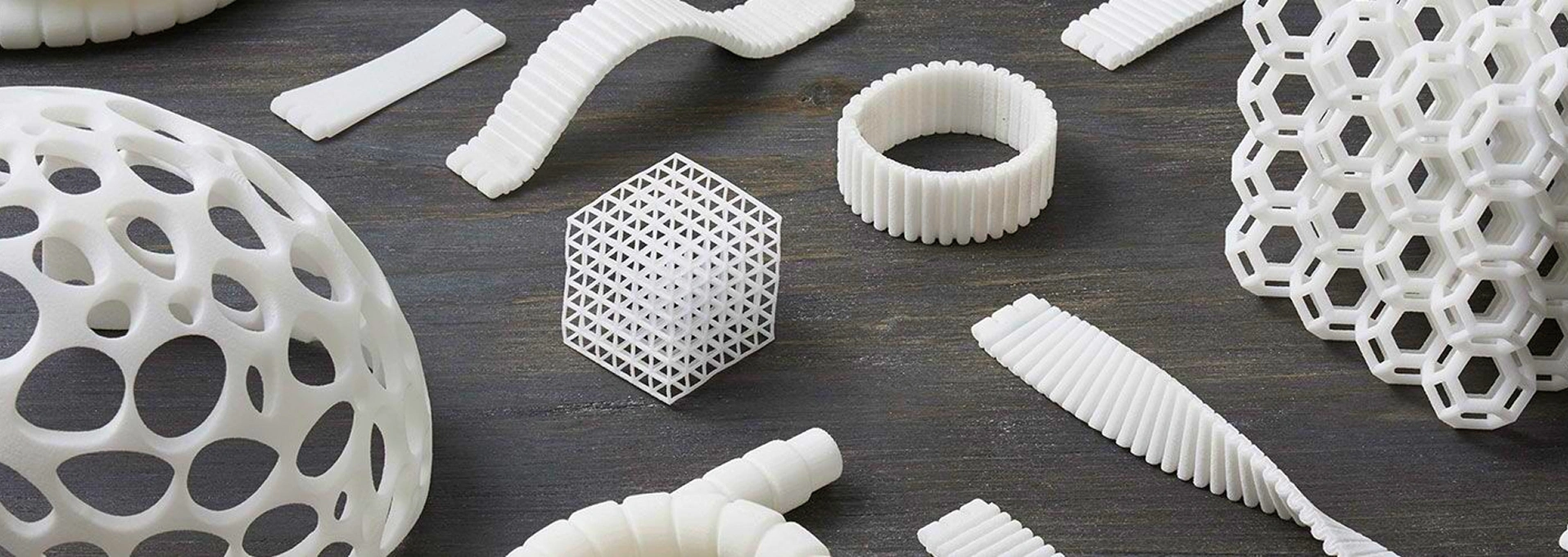
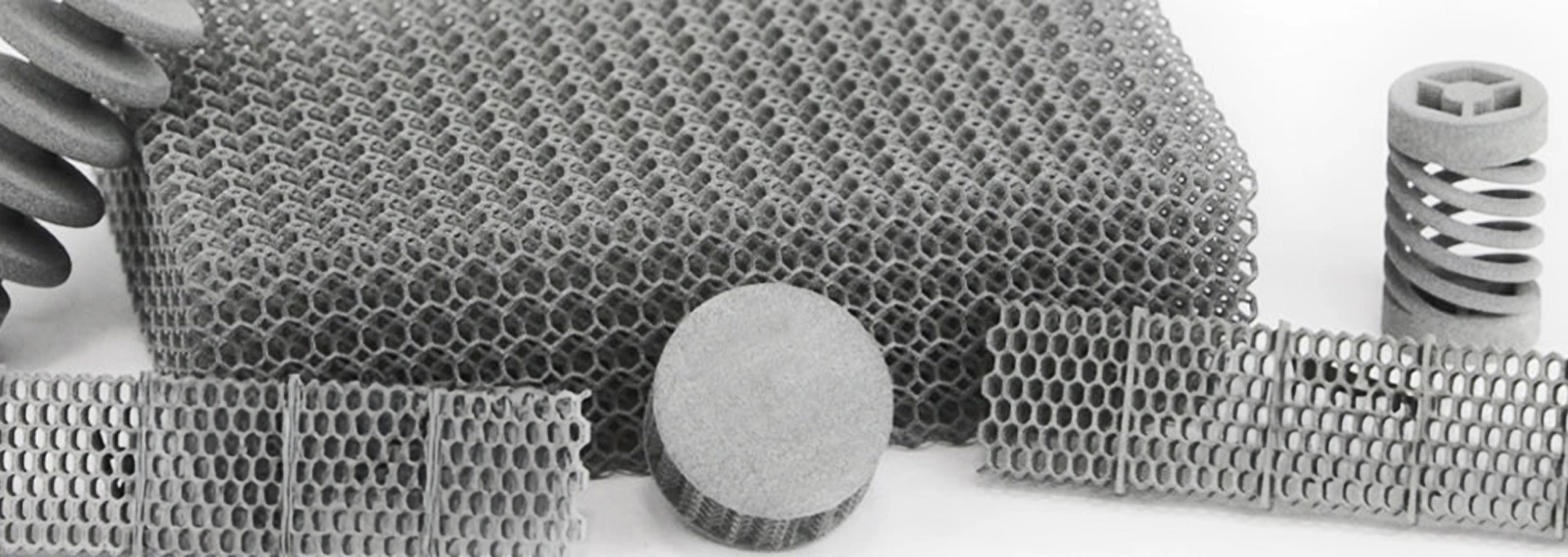
Multi Jet Fusion (MJF) is an HP-patented technology that produces parts similar to the long-established Selective Laser sintering (SLS) technology.


Like SLS it works by adding sequential layers of polymer powder into a build chamber. In contrast to SLS, however, MJF uses a combination of a fusing agent jetted onto the powder surface and a high-powered heat source to selectively fuse areas of each layer together to form parts. Both SLS and MJF can produce high numbers of parts within a single block of powder without needing to incorporate support structures.

The main advantages of MJF over SLS are that the process is significantly faster and more efficient in terms of powder use. The parts also have more uniform mechanical properties and greater part detail thanks to the application of a detailing agent around the edge of parts.

The Best Choice for Your Application

WHAT MATERIALS DOES MJF USE?

While we may supply other materials, we focus on production in PA11. This material is highly versatile and appropriate for a wide range of use cases. It is also more environmentally friendly than other materials, being derived from Castor Oil. Our economies of scale and focus on efficiency allow us to offer this material at a competitive price even compared to the usually cheaper PA12.

PA12

Most common, good mechanical properties

PA11

Similar to PA12 but more sustainable, higher elongation at break, slightly easier to print with and better surface finish

PA12 GB

Glass-filled PA12, stiffer material with slightly lower strength

TPU M95A

High rebound and good abrasion resistance

Surface Finishes

Vibro-Polishing

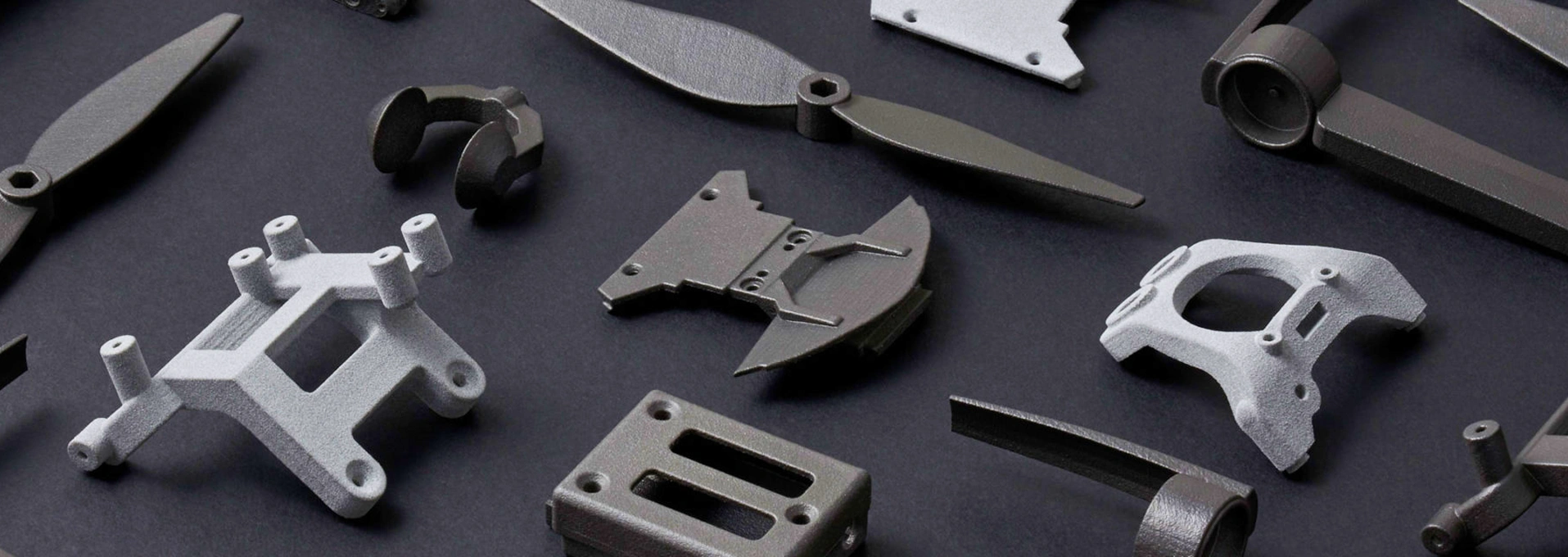
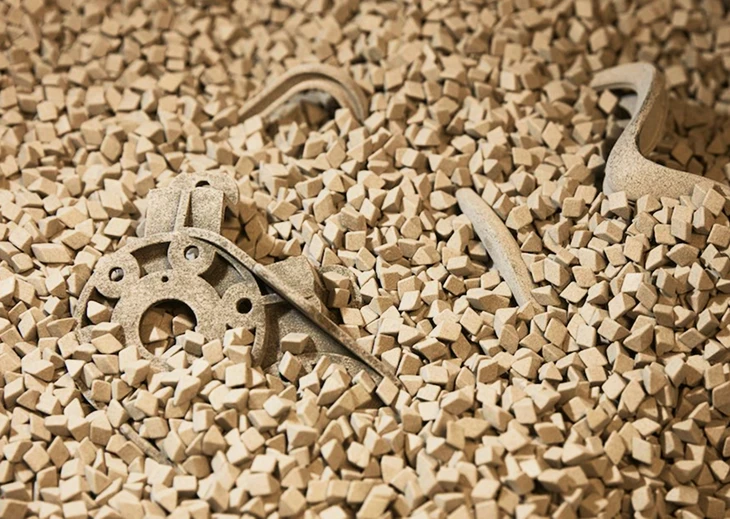
Out of the printer, parts have a slightly coarse surface. As an additional service, Bowman 3D offers vibro-polishing of parts – using ceramic beads to smooth the surface of parts over a number of hours.
Dyeing

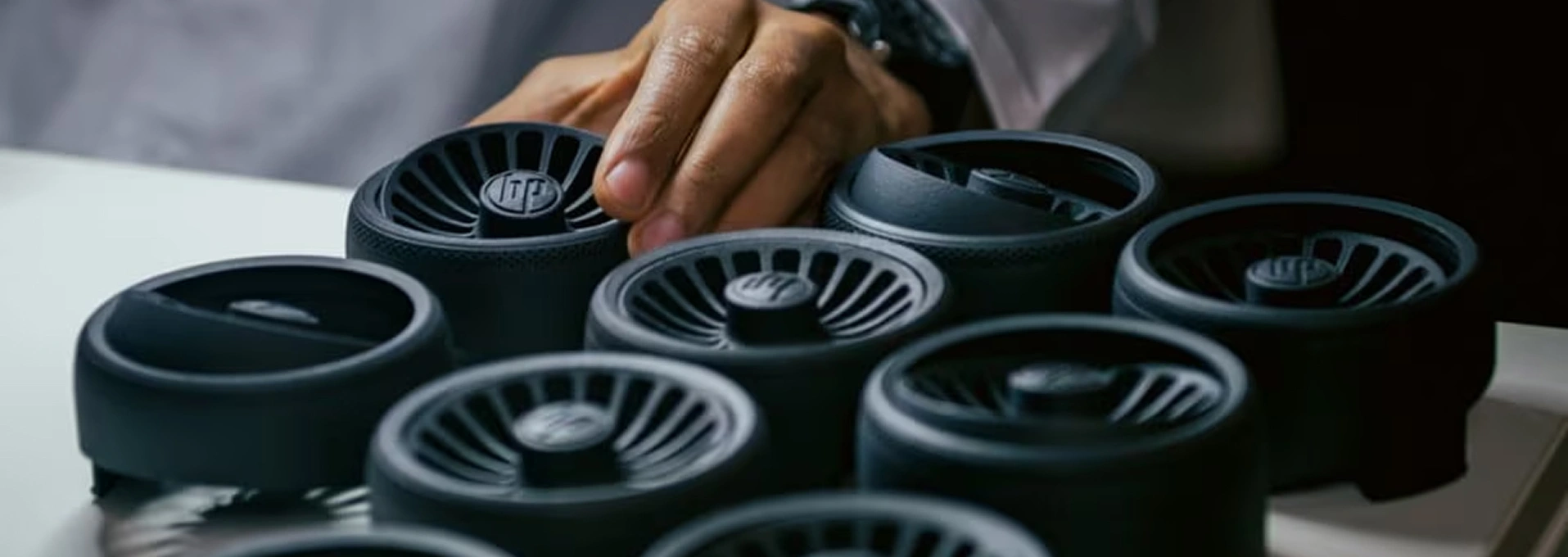
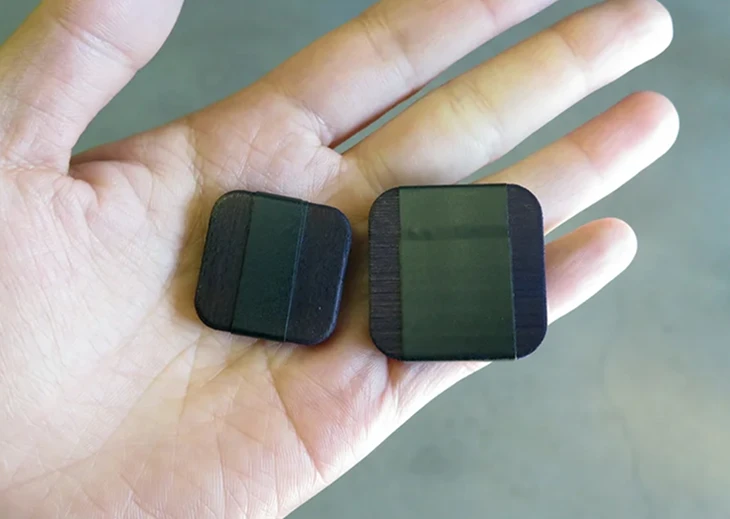
Out of the printer, parts are a neutral shade of gray. Parts can be dyed using black ink.
Vapour Smoothing

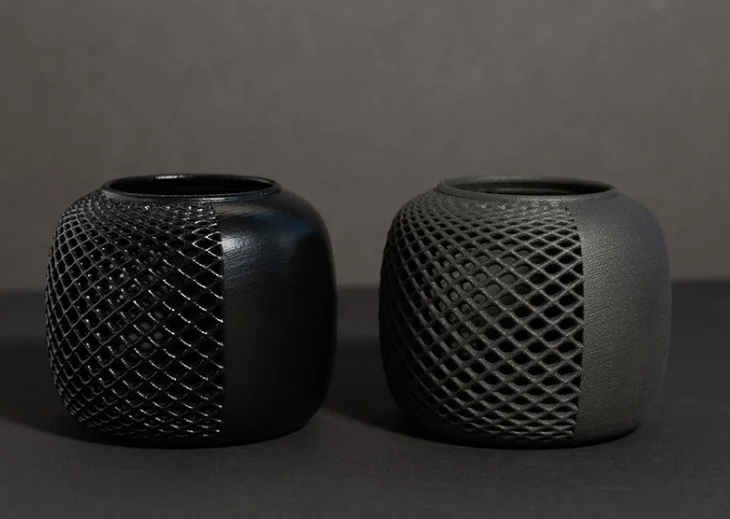
A chemical smoothing process that produces a semi-glossy external surface. This process improves the mechanical properties of the part and helps to seal the surface, making it ideal for watertight applications.
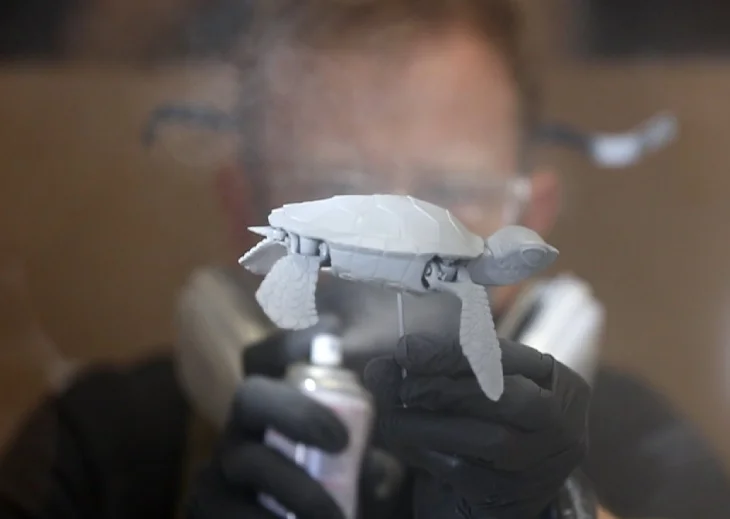
Spray Painting

Any colour or gloss level, with several specialist coatings available, including Cerakote.
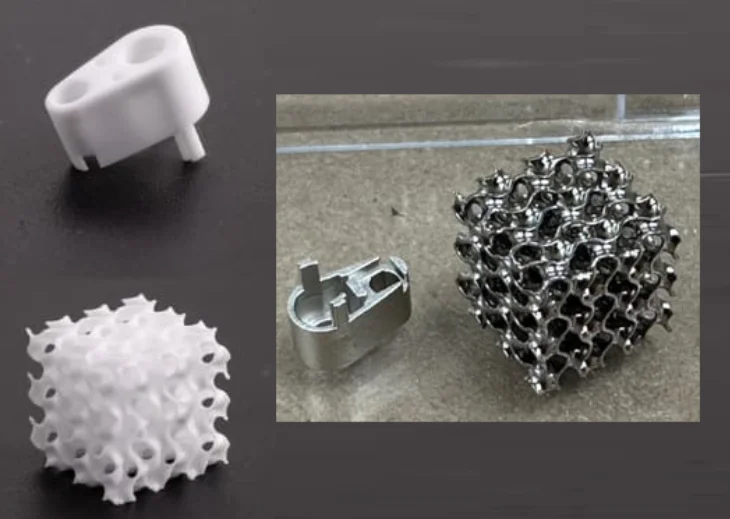
Plating

3D printed parts can be given a thin metal coating to help with conductivity, strength or to produce a specific aesthetic result.
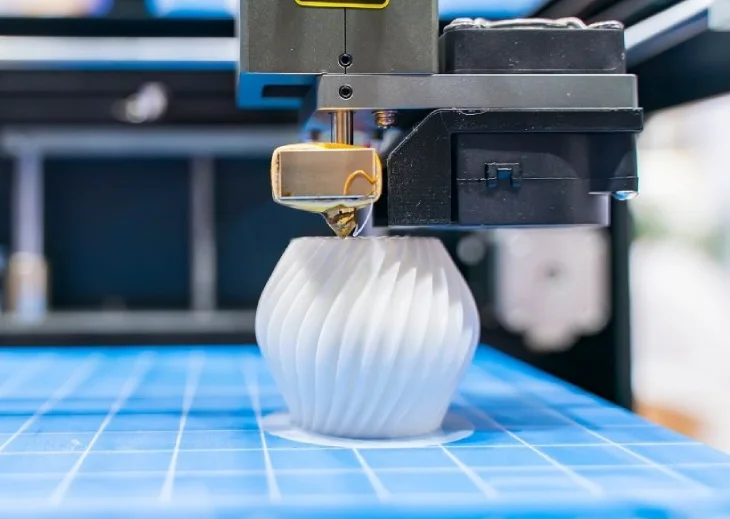
Custom

We have a broad network of industry contacts, as well as in-house expertise, to help us produce a part finished to your desired spec or find the specification you need for your application. Speak to us about non-standard finishes for your project.

Spec Your Parts

Technical Limitations

The general tolerance for parts in PA11 is +/- 0.3mm or 0.3% (whichever is greater).  Due to the additive production method, tolerances and material properties can be affected by the specific geometries of any given part. The reality is that for most smaller parts the tolerances achieved are significantly better than stated above – get in touch with us to discuss requirements and test print samples to get an idea of what is possible for your project. 
The largest part size in theory would be 380mm x 284mm x 380mm based on the size of the build unit. However, it is sometimes possible to exceed one of these dimensions by orientating the part appropriately in the build. We can also help to split large parts into smaller assemblies. Get in touch with us to discuss issues with dimensions.
Orientation within the build unit can impact on surface finish and consistency of dimensions. Unless specified by the customer, we will orientate parts to be built according to our own best practices as determined by our production team.

In addition to general tolerances, thin unsupported parts have a tendency to warp – as parts cool following fusing, less dense parts tend to cool faster which can lead to distortion in parts. This can be reduced or eliminated by thickening parts and altering geometries.

Our Strength

Did You Know?